Tag Archives: Malware
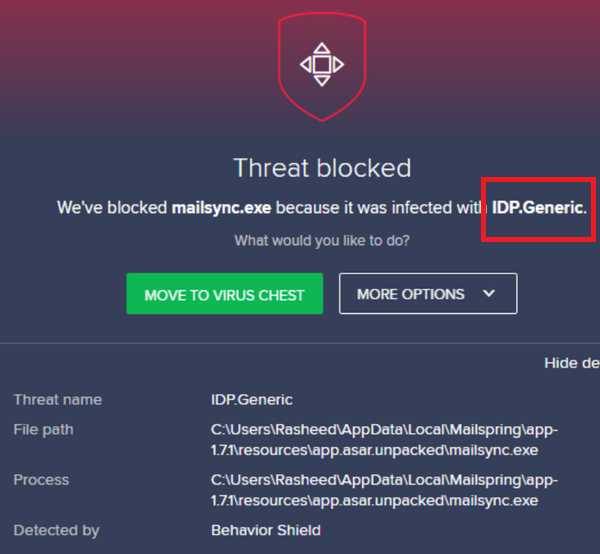
There are many antivirus software available today for Windows, but no one can be really considered to be the perfect solution. There will always be that occasional suspect file which may escape being detected by your anti-virus software. At such times we …more >>>
I was pretty excited when I came across this application tool from Symantec – the Norton PC Checkup. It is free tool that scans for computer problems and notifies you of the same, if any are found. Specifically, the tool …more >>>
BitDefender has prepared this wonderful and a very informative Infographic on the history of computer viruses starting 1970. The history of malware is rife with incidents that allowed viruses to morph from innocent pranks to advanced military weapons. The first Internet …more >>>
After analysing vast numbers of IT threats during the second quarter of 2011, Kaspersky Lab has released its latest security report announcing the key security trends globally. Here are some its highlights: The five safest countries in terms of the …more >>>
Malware (malicious software), as we all know, is software that has been designed to damage a user’s computer, a server, or a network; or to cause harm to computer users by stealing personal or otherwise sensitive information, defrauding the user …more >>>
McAfee has created a nice easy-to-understand Infographic explaining, what are botnets. With the rapid growth in malware and bot infections all around, it becomes important for all to understand what Botnets are and what Zombies are.
Windows users may be used to reading about scareware, but it now appears that scareware has made its way to the Apple Mac computer. A fake antivirus program calling itself the MACDefender is attacking Apple Mac computers.
If you suspect a file to be malicious, you can send it to Microsoft for analysis. The Microsoft Research and Response will check the file for malware, which may include viruses, spyware, worms, trojans, rootkits, adware, etc.
Win32/Zbot is a family of password-stealing trojans that contain backdoor functionality which allows attackers to control infected computers remotely through illicit networks called botnets. This family of botnets first drew attention in press and media when Win32/Zbot was detected in …more >>>
Emsisoft malware analysts have detected a massive outbreak of new Facebook Malware. A current variant even hijacks the user’s Facebook account.
Key Generating software or Keygens have always been popular with those who preferred to crack shareware programs and use them for free, rather than paying for them!
TDL3 rootkit is one of the most advanced rootkit ever seen in the wild. The rootkit was stable and could infect 32 bit Windows operating system; although administrator rights were needed to install the infection in the system.
There are many different types of malware threats on the internet, waiting and ready to get downloaded to your Windows PC, to compromise and breach your system’s security. Spyware and Virus are most common among them. They are both forms of …more >>>
Barracuda Labs has released its 2010 Midyear Security Report after conducting a study across Bing, Google, Twitter and Yahoo.
Apple’s 10.6.4 operating system upgrade earlier this week silently updated the anti-virus protection built into Mac OS X to protect against a backdoor Trojan horse that can allow hackers to gain remote control over iMac or MacBook.
Intego, a leading security software provider for Mac, has discovered a spyware application that is installed by a number of freely distributed Mac applications and screen savers found on a variety of websites.
With Windows 7, the latest version of Microsoft Windows, reaching general retail availability on October 2009, it was just a matter of time before malware creators rose to the occasion, and exploited users ‘eagerness to install it on their PCs.
Rogue Security Software, also known as Scareware, is software that appears to be beneficial from a security perspective but provides limited or no security, generates erroneous or misleading alerts, or attempts to lure users into participating in fraudulent transactions.
In an attempt to appear legitimate & boost sales, sellers of a rogue anti-virus product, Live PC Care even offer the victims live technical support with a REAL person!
ESET reports the Windows-borne Zimuse as a retro oddity because it attacks a hard disk master boot record (MBR) of any attached drive its finds, a technique common in viruses from nearly 20 years ago.