
Even in a crowded PC market, very few free-to-play games can consistently sit in the same spend-and-engagement tier as the platform’s biggest live-service giants. Yet in Epic Games Store’s Latest Year in Review, Genshin Impact is listed in the store’s top “Mythic” group of PC titles—alongside names like Fortnite and Grand Theft Auto V—reflecting how strongly it performs on PC in both spend and engagement.
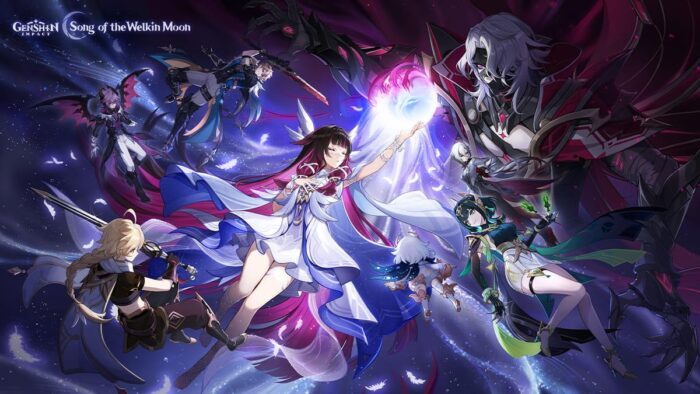
From LDShop’s perspective as a long-term participant in the game commerce ecosystem, that “Mythic” ranking is a clue: cross-platform access, update cadence, and planning-driven players combine into a repeatable conversion engine—explaining how Genshin became one of the most profitable PC games.
Cross-Platform Intent Loop
Genshin is designed so the same account can be used across PC, mobile, and console, which changes player behavior in a measurable way: it reduces “missed days.” The daily loop is intentionally short—4 Daily Commissions plus Resin spending—so it can fit into a 10–15 minute mobile session. Meanwhile, the deeper loop (story quests, exploration, endgame attempts, artifact routes) naturally shifts to PC where precision and screen space matter.
That seemingly small retention gain adds up across millions of players, and it directly feeds monetization because people are more likely to spend in a game they consistently keep up with.
And it scales, because cross-platform play sits inside a massive digital-goods economy rather than a niche corner of gaming. Apple’s latest App Store ecosystem study notes that 2024 billings and sales for digital goods and services reached $131B, with games as a key driver—showing just how large the cross-device spending runway is for titles like Genshin.
Event-Driven Retention
In free-to-play PC games, retention usually matters more than raw reach, because repeat players don’t behave like casual visitors—they plan. Genshin’s cadence keeps people returning often enough that patch content, banner talk, and purchase timing start to feel like one continuous cycle.

The Lantern Rite stretch—often built around Liyue’s festival-style updates—shows the formula clearly. These patches bundle time-limited quests and minigames, a wave of visually “shareable” moments (lantern nights, city refreshes, fireworks-style set pieces), easy participation rewards that lower the barrier to re-entry, and the kind of banner spotlight that pulls roster decisions back into everyday conversation.
PC amplifies that mix. Longer sessions mean players actually finish the story, grind event stages, and stress-test teams while the hype is still at peak volume. That’s when monetization becomes frictionless: not because the game forces a purchase, but because the player is already invested in the patch and staring at a clear, time-bounded choice. The festival update reliably pushes them toward the points where spending happens most naturally, making the Lunar-season a repeatable profitability accelerator for the PC audience.
PC Purchase Patterns
Spending psychology is different across devices, even for the same player. On mobile, purchases often skew small and immediate (“I’m short a few pulls today”). On PC, spending tends to be more deliberate and comparison-driven: players alt-tab to banner info, track pity, check team synergies, and calculate how many pulls remain before the banner ends. That’s why Genshin’s monetization layers map well to PC norms:
- Monthly value: A low-cost subscription-style option exists for players who prefer steady progress rather than big spikes.
- Battle Pass model: A seasonal track that trades money for time efficiency—very familiar to PC live-service audiences.
- Top-ups for banner deadlines: When a banner is near the end, time becomes the constraint, not effort.
A concrete “PC conversion” moment is the last 48–72 hours of a banner phase: by then, players have already sunk real time into farming materials, rolling artifacts, and testing teams, so “finishing the plan” feels rational rather than impulsive. Value windows like a bonus reset amplify this effect by improving the value-per-dollar equation right when decisions peak.
Many PC players therefore plan purchases in advance—sometimes even bookmarking a checkout route they trust, like LDShop’s Genesis Crystals top-up page—because the real driver is timing: the decision is hottest exactly when the banner timer is shortest.
Cultural Visibility Flywheel
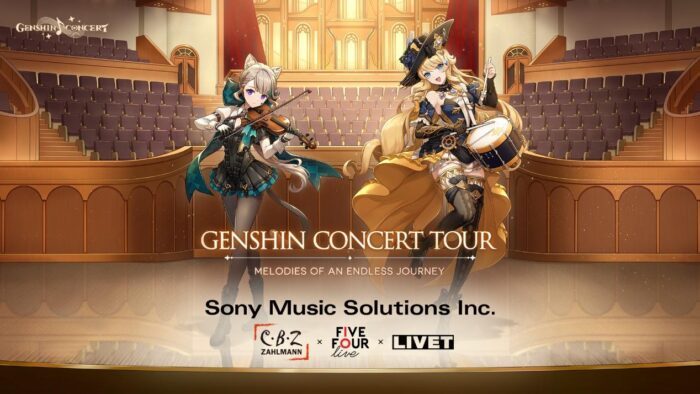
At this point, Genshin shows up well outside “people who play RPGs.” It’s become a recognizable cultural symbol with presence across multiple lanes: character-driven fandom creation, cosplay and convention culture, soundtrack and performance culture, creator economies (guides, streams, theorycraft), and ongoing meme circulation that keeps the IP visible even between login sessions.
This matters economically because cultural visibility reduces reacquisition cost. Players don’t need an ad to remember the game when the community is already circulating character reveals, story theories, and build debates. Every update becomes a community event, and every community event quietly pushes lapsed players back toward “just reinstall and see what changed.”
In the PC market, profitability usually follows consistency more than hype. Genshin’s position near the very top of a major storefront’s spend-and-engagement tier suggests it has crossed that threshold: it’s no longer competing for a weekend—it’s competing for a place in a player’s routine. If the next year of updates keeps turning patches into shared moments, its PC economics won’t just hold—they’ll keep compounding.
Read Next: Best Discord Servers for Gaming that you can join.
