
In today’s digital world, image theft has become almost inevitable. You upload your photo to a social media platform, and soon you start seeing the image used by others. And this is a serious issue for photographers, illustrators, and content creators. Although you have ways to claim copyright for your work, finding out where it is being used is a challenge in itself. And for this, you have options like Google reverse image search or a dedicated copyright detection tool. But which one is better? Let’s find out.
Google Reverse Image Search vs Dedicated Copyright Detection Tools
Google Lens is ideal for quick, free, manual checks to find where an image appears online. In contrast, platforms like Pixsy or Copytrack offer automated, continuous monitoring and legal support, making them better suited for professionals who need ongoing protection.
Google Image Search
Google Reverse Image Search, powered by Google Lens, is one of the most accessible tools out there. Simply upload your image or paste its URL, and it will help you find similar images.
This is great for checking one or two images quickly. It helps you find better versions of your own photos or check if someone is using your photo on social media or on their website.
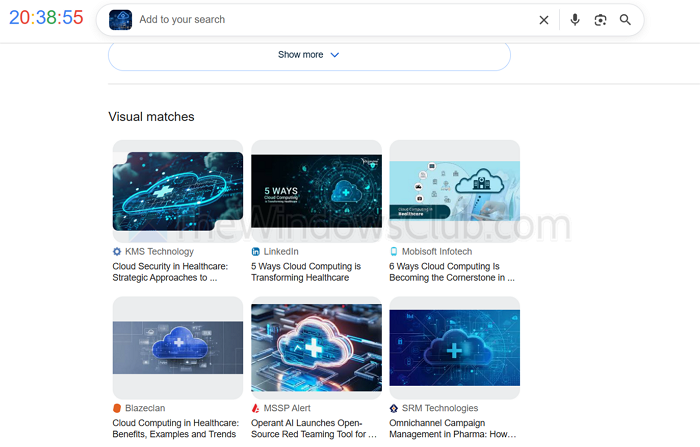
The pros are that it is completely free, extremely fast, and simple to use. But there are cons too, such as it being a manual job. You do not get alerts when your photo is used somewhere, or regular checks on your work being used by others.
Dedicated Copyright Detection Tools
If you want serious protection, using dedicated copyright tools is your best bet. There are platforms like Pixsy, Copytrack, and Lapixa that offer different levels of services. These tools use advanced digital fingerprinting technology to automatically scan the internet 24/7 across billions of web pages, social platforms, and stock sites to help you find out where your images are being used.
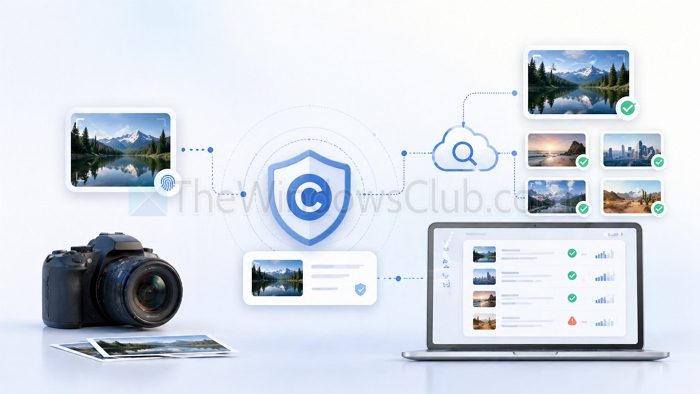
Also, some of these tools offer automated DMCA takedown notices and legal support. The pros are that it is completely automated and safeguards your work, but it comes with a price tag.
Advantages of Google Image Search and Other Forensic AI Tools: Which to Choose?
Google Image Search has several clear advantages. It is a free, very fast, and easy-to-use tool. Just upload your image, and you will get your results. Also, Google has the largest database on the internet, so finding your images online will not be difficult. It is especially good for quick checks and for finding higher-quality versions of your own photos.
On the other side, forensic AI tools like FotoForensics and Agetrace offer different strengths. They are excellent at detecting if an image has been edited, cropped, resized, or manipulated. These tools can also show if someone has removed the hidden metadata to hide the theft. This makes them very useful when you need strong proof that the image belongs to you, especially for legal purposes.
So, which one should you choose? It completely depends on who you are.
If you are a hobbyist or just want to quickly check one or two images, Google Image Search is the best choice because it is free. However, if you are a professional who wants to protect their work, then going with a paid tool is the best solution.
Read Next: How to do reverse video search the right way.
Best Dedicated Copyright Detection Tools
1. Lenso.ai
Lenso.ai is a powerful reverse image search tool designed to help you find exact or similar copies of an image across the web. It’s particularly useful for monitoring where your images appear online, identifying potential unauthorized use, and discovering duplicate or modified versions.
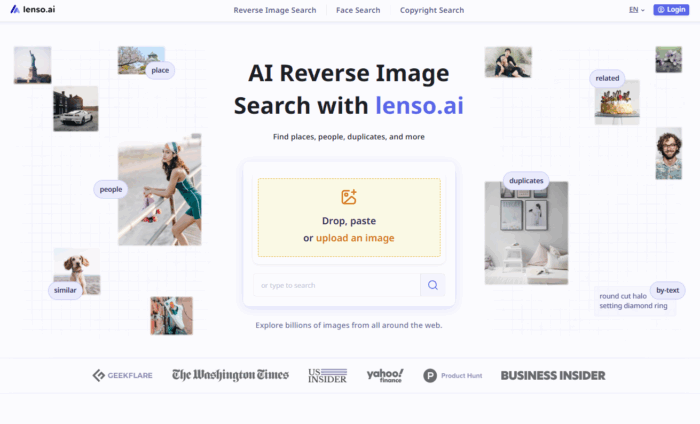
You can also set up alerts for specific images and receive email notifications when new matches are found. With its DMCA Assist feature, Lenso.ai can help you compile relevant links and prepare a takedown email that you can send to website owners who have published your images without permission.
2. PimEyes
PimEyes is a face-focused reverse image search engine that helps you discover where a particular face appears across publicly available websites. By uploading a photo, you can search for other images featuring the same or a similar face, making it useful for monitoring your online presence and identifying potentially unauthorized uses of your photos. PimEyes is especially focused on facial recognition rather than general image matching, so it can be useful when you want to find photos of yourself even when the original image has been cropped, edited, or otherwise modified.
3. Copyseeker
Copyseeker is a reverse image search tool designed to help identify copies and reused versions of images across the internet. You can upload an image to search for visually similar or duplicate versions, helping you discover where your content has been reposted or used elsewhere online. It can be useful for creators, photographers, businesses, and anyone who wants to monitor the distribution of their visual content and find potential instances of unauthorized use.
Can I track image theft on private accounts or closed platforms?
Not easily. Tools like Google Lens or services such as Pixsy and Copytrack primarily scan publicly accessible content. If someone uses your image in a private social media account, a closed group, or behind login walls, detection becomes very difficult unless it is reported manually.
Do forensic AI tools actually work for proving image theft?
Yes, but with limitations. Tools like FotoForensics and Agetrace are effective at detecting edits, compression artifacts, metadata removal, or manipulation. They can support your claim by showing inconsistencies or transformations in an image. However, they don’t “track” usage across the internet as reverse-search or copyright tools do. Instead, they serve as evidentiary tools, useful in disputes or legal situations rather than in discovery.
