
If you work in or own an enterprise, you need to know that there is always a high risk of cyberattacks and scams. Email Scams are the most common among them. Phishing comes in many flavors like Tabnabbing, Spear Phishing as well as Vishing and Smishing. A few days back, we took a look at Pharming online frauds – today we will take a look at Whaling Scams which is the emerging cyber-security threat.
What are Whaling scams?
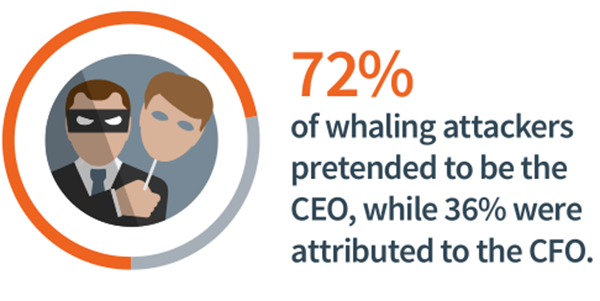
In Whaling scams, you are usually targeted by email – it is a specialized Phishing scam. The attacker studies your online activity and obtains useful information about you from other sources. And that information is used to create a professional-looking personalized e-mail. Seeing an official email can cause you to drop your defenses and you are very likely to trust such an email. The idea is to obtain information from you for further fraudulent activities.
Now you have to realize that there is a thin line of difference between Whaling and Spear Phishing. Whaling typically targets high-level executives, whereas the latter scam targets employees of a company and customers of the company generally. It is called Whaling because the targets are usually large or important. And so Whales are chosen because of their authority and access within an organization.
How does Whaling work, and why are you targeted?
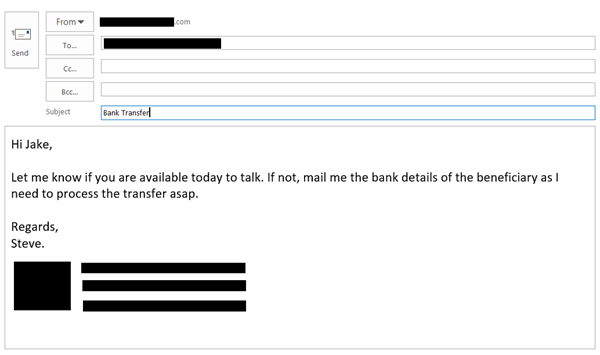
Most of the targets are usually businessmen, entrepreneurs, CEOs, and corporate employees. The targets are usually business-specific, and attacks are planned to obtain sensitive information about an organization’s activities.
These kinds of socially engineered attacks are very difficult to identify, and people usually end up giving data to such scammers. The scammer sends a personalized email from an address you may be familiar with. The scammer may pretend to be your boss or another friendly organization. Or he/she may mimic as your financial consultant or your lawyer. The content of the email is mostly attention-seeking so that you may reply promptly, and there is the least chance of them getting caught.
The email might require you to transfer money to pay a bill, or it may ask for company data required at the head office. Or it may ask for personal details about the organization’s employees.
The scammer or the attacker has already researched you to create a personalized email for you. And the research may be based on your online activities or upon any information obtained from other sources. Whaling emails just seem normal and perfect, and that is the only reason people fall for them. The names, logos, and other information used in the email may be real or not. But it is presented in such a way that normal people cannot distinguish between these emails.
Also, the sender’s email address or the website mentioned is similar to someone you may know. The attachments may or may not be malicious. The sole purpose of these scams is to convince you that the email is completely normal and requires urgent action. And when you follow the instructions in the email, you end up disclosing confidential data to an unauthorized person or website.
How to stay protected from Whaling attacks
You have to learn to identify Phishing Attacks to know more about protection from phishing in general so that you can avoid Phishing scams.
The key to staying protected is to stay attentive. Read all your work-related emails end-to-end and keep an eye out for something fishy. If you just felt that there is something wrong with the email, contact the organization it is said to be from.
1] Verify the sender’s email and then only respond to emails. Usually, the websites or email addresses from which you are receiving emails are almost identical to normal email addresses that you may know. An ‘o’ may be replaced with a ‘0’ (zero), or there may be two ‘ss’ instead of one ‘s’. These kinds of errors are easily overlooked by the human eye, and these form the basis of such attacks.
2] If the email requires some urgent action, then you must look carefully and then take the decision. If there are any outbound links on the website, verify their addresses before providing any information to that site. Also, check for the padlock sign or verify the website’s certificate.
3] Do not provide any financial or contact details to any website or email. Know when to trust a website, take precautions before clicking on any web links and follow the basic internet usage safety norms.
4] Have proper antivirus and firewall software protecting your computer and do not download any attachments from any of these emails. RAR/7z files or any other executable files are most likely to contain malware or Trojans. Regularly change passwords and create backups of important documents in a secure location.
5] Completely destroy your physical documents before disposing of them so that they cannot provide any information about you and your organization.
Whaling attack examples
While you can find a ton of such scam stories online. Even major companies like Snapchat and Seagate have fallen prey to these scams. A few years ago, a high-ranking Snapchat employee was the victim of a scam in which an email impersonating the CEO inquired about employees’ payroll. Take a look at some examples:
- Seagate: A successful whaling attack landed thieves up to 10,000 W-2 tax documents for all current and past employees.
- Snapchat: An employee fell for an email impersonating a request from CEO Evan Spiegel and compromised payroll data for 700 employees.
- FACC: The Austrian aircraft industry supplier lost 50 million euros due to a whaling attack.
- Ubiquiti Networks: This networking tech company suffered a $39.1 million loss as a result of a whaling attack.
- Weight Watchers International: A whaling email allowed thieves to obtain tax data for nearly 450 current and former employees.
Already Scammed?
Do you think that you’ve been a victim of a Whaling scam? Immediately inform your organization’s head and seek legal help. If you provided them with any bank details or passwords, change them immediately. Consult a cybersecurity expert to trace the path and identify the attacker. Seek out for legal help and consult a lawyer.
There are various online services available for reporting such scams. Please report such scams so that their activity can be disrupted and more people are not affected.
If you are interested in knowing more, there is this excellent eBook titled Whaling, Anatomy of an attack, which you can download for free.
Protect yourself, your employees and your organization from such fraud and online scams. Spread the word and help your colleagues, friends, and family stay protected.
Read here about the most common Online and Email scams & frauds.
