
Do you suspect that someone is wrongfully using or stealing your WiFi or wireless network connection? Maybe your WiFi connection has been slow lately, and you suspect someone has hacked into it. Several free tools can help you detect who is illegally using your WiFi connection. Use this free software to know, see, tell, find out if someone is using or stealing your WiFi network when using Windows. I am covering three tools here, but if you know of others, please share them below in the comments.
How to know who is using my WiFi network
How do I know how many devices are connected to my WiFi? Who is on my WiFi? Who is using my WiFi connection? If you have these questions, use one of these methods:
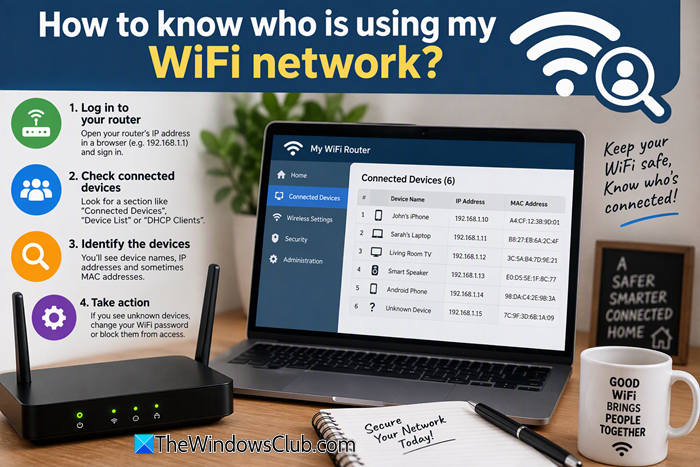
- Via your Router’s Login page
- Wireless Network Watcher
- Zamzom Wireless Network Tool
- Who Is On My WiFi
Let us look at them in detail.
1] Via your Router’s Login page
- Type your router’s IP address into your browser. Alternatively, type routerlogin.com to go to its login page.
- When inside, look for the Connected devices section.
- There, you will see a list of devices connected to your WiFi router.
2] Wireless Network Watcher
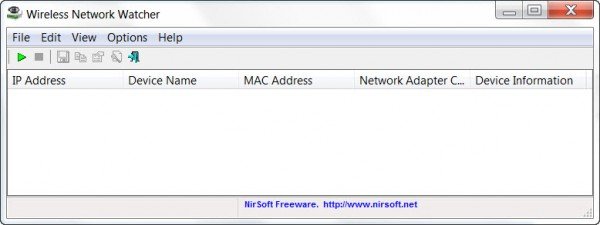
Wireless Network Watcher, released by NirSoft, is a small utility that scans your wireless network and displays the list of all computers and devices that are currently connected to your network.
It will display the following information for each connection:
- IP address
- MAC address
- Manufacturer of the network card
- Computer name
- Device Name.
The tool also allows you to export the list of connected devices and save it as an HTML, XML, CSV, or a text file. You can download this tool from nirsoft.net.
3] Zamzom Wireless Network Tool
Zamzom Wireless Network Tool is another utility for sniffing if someone else is using your wireless network.

Zamzom lets you see all users using your wireless network. There are two scan options, but only the Fast Scan is available in the free version, but that should be good enough for most, I suppose. Once the scan is completed, it displays the IP address and MAC address. It is available here for download.
4] Who Is On My WiFi
Who Is On My WiFi is another good freeware you may want to check out. The first time you run “Who Is On My WiFi”, it scans the network for all the computers connected and provides you with many details, including their last IP address and MAC IDs. This is important as you can verify if all computers are yours, using the MAC ID of each machine.
The Scan Now button is in the main window. Don’t get confused; check the top-right corner of the program window.
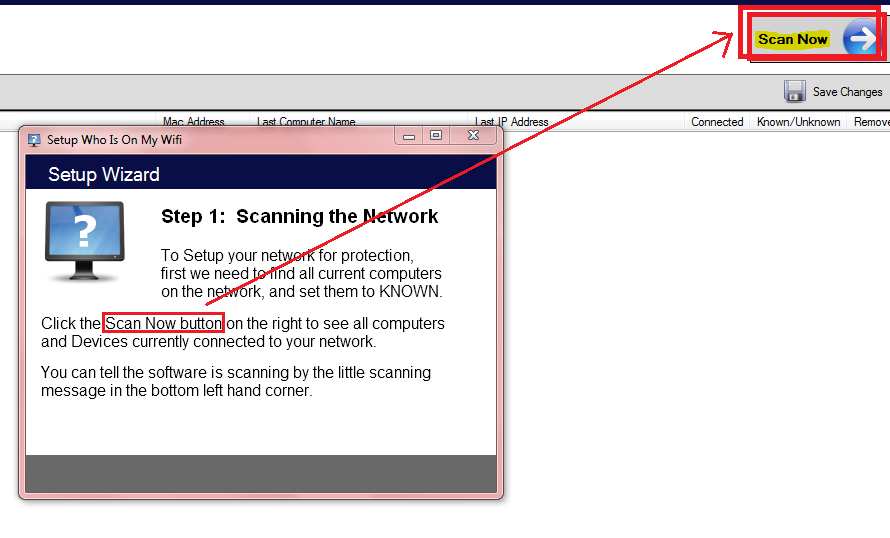
Also, the program will show only the computers currently connected to your router/WiFi. If a computer is switched off, it won’t show. Make sure all your computers are ON before running the scan.
You will see one additional row in the results dialog box. That is your router. You will know because when you try to block it, the software will tell you “You cannot block your router”.
You can then name the computers if they are not already named using the computer name from Windows Installation. Remember to click SAVE else you will keep receiving warnings about unknown computers. When you click the X button to close the program, it keeps running in your system tray to monitor whether any unknown computer connects to your WiFi.
TIP: To know the MAC address of a computer, open Adapter Properties (under Network and Sharing), and hover your mouse over CONNECT USING.
Cyber Criminals could misuse your WiFi connection to carry out illegal activities, and so it becomes imperative that you keep a watch on your WiFi connection.
How to know how many devices are connected to my Wi-Fi router?
To see how many devices are connected to your Wi‑Fi router, sign in to your router’s web interface by entering its IP address (such as 192.168.1.1) in a web browser, then log in. Open Connected Devices, Device List, Attached Devices, or DHCP Clients to view all currently connected devices. The list usually shows the device name, IP address, and MAC address for each connection. Compare the devices with your own phones, PCs, TVs, and smart devices to identify any unknown users. You will see them all here.
TIP: This post will show you how to secure Wireless Network Security keys in Windows.
